Introduction: The Divine Celebration of Hanuman Jayanti
Hanuman Jayanti is one of the most significant and widely celebrated festivals in the Hindu calendar. It marks the birth anniversary of Lord Hanuman, the monkey god who is the epitome of strength, devotion, and selfless service. Every year, millions of devotees across the globe gather in temples and homes to seek the blessings of the “Sankat Mochan”—the one who removes all obstacles.
As we approach Hanuman Jayanti 2026, it is essential to understand the spiritual depth and the traditional rituals associated with this holy day. Whether you are looking for the exact Hanuman Jayanti 2026 date, the auspicious muhurat, or simply want to know how to perform the puja at home, this comprehensive guide has everything you need. In this article, we will explore the profound significance of this festival, the miraculous story of Hanuman’s birth, and provide you with the best wishes and quotes to share with your loved ones.
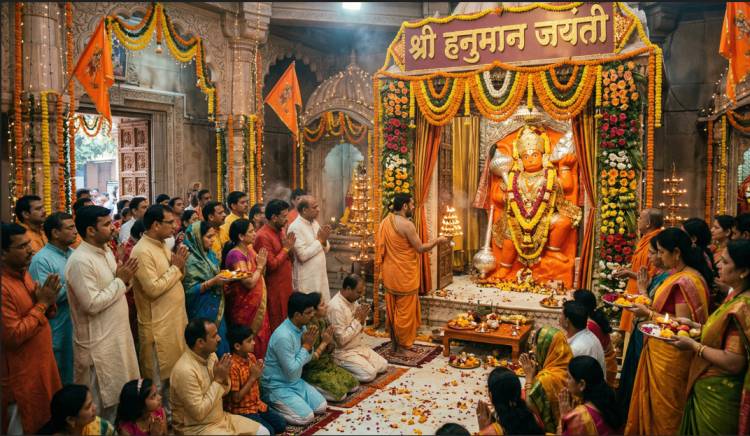
What is Hanuman Jayanti?
Hanuman Jayanti is the celebration of the birth of Lord Hanuman, who is believed to be an incarnation (Avatar) of Lord Shiva. According to the Hindu lunar calendar, it falls on the Purnima (full moon day) of the Chaitra month. While most of India celebrates it during this time, some regions in South India and Maharashtra observe it on different dates based on local traditions.
The festival is a time for introspection, physical strength building, and deep spiritual connection. Devotees believe that by observing Hanuman Jayanti with a pure heart, they can overcome their internal fears and gain the courage to face life’s challenges. It is not just a religious event but a cultural phenomenon that unites people from all walks of life under the banner of “Jai Shri Ram.”
Hanuman Jayanti 2026 Date and Shubh Muhurat
For every devotee, knowing the correct timing is crucial for performing rituals and observing the fast. In 2026, the celestial alignment brings a very auspicious time for the celebration.
- Hanuman Jayanti 2026 Date: Thursday, April 2, 2026.
- Purnima Tithi Begins: April 1, 2026, at 01:25 PM.
- Purnima Tithi Ends: April 2, 2026, at 07:41 AM.
Note: According to the “Udaya Tithi” rule (the date at sunrise), the primary celebrations for Hanuman Jayanti will be observed on April 2, 2026. However, many temples will start the festivities and continuous chanting of the Hanuman Chalisa from the evening of April 1st.
Best Time for Puja (Shubh Muhurat)
The most auspicious time to perform the Hanuman Jayanti puja is during the Brahma Muhurta (early morning) or during the evening aarti. Since Hanuman was born at sunrise, many devotees gather at temples specifically at dawn to witness the “Janmotsav” aarti.
The Spiritual Significance of Hanuman Jayanti
Why is Hanuman Jayanti so important in Hindu culture? The answer lies in the qualities that Lord Hanuman represents. He is the “Vanara” who achieved godhood through sheer devotion (Bhakti) and service (Seva).
1. The Symbol of Selfless Devotion
Hanuman’s life is a masterclass in “Nishkama Karma”—performing actions without any desire for reward. His devotion to Lord Rama was so complete that he saw Rama and Sita in every atom of the universe. Celebrating Hanuman Jayanti reminds us to dedicate our work to a higher purpose.
2. Protection from Negative Energies
It is widely believed that Lord Hanuman is the protector against evil spirits, ghosts, and negative planetary influences, especially Shani (Saturn). Devotees often recite the Sunder Kand on this day to seek his divine protection.
3. Strength and Wisdom
Hanuman is described as “Atulita Bala Dhamam” (the abode of incomparable strength) and “Jnani Nam Agraganyam” (the foremost among the wise). This unique combination of physical prowess and intellectual brilliance makes him the ideal role model for the youth.
The Miraculous Birth Story of Lord Hanuman
The story of how Hanuman Jayanti came to be is found in several ancient texts, including the Shiva Purana and the Ramayana. Hanuman was born to Mata Anjana and Kesari. Anjana was an Apsara who was cursed to live on Earth as a vanara. After years of intense penance, she was blessed by Lord Shiva.
During her penance, King Dasharatha of Ayodhya was performing a yajna to have children. A portion of the sacred “Payasam” (sweet pudding) was carried by the Wind God, Vayu Deva, and dropped into Anjana’s hands. She consumed it, and thus, Hanuman was born—carrying the essence of Shiva and the energy of Vayu. This is why he is called Pavan Putra and Rudra Avatar.

How to Celebrate Hanuman Jayanti 2026 at Home
If you cannot visit a temple, you can still celebrate Hanuman Jayanti with full devotion at home. Here is a step-by-step guide to the puja vidhi:
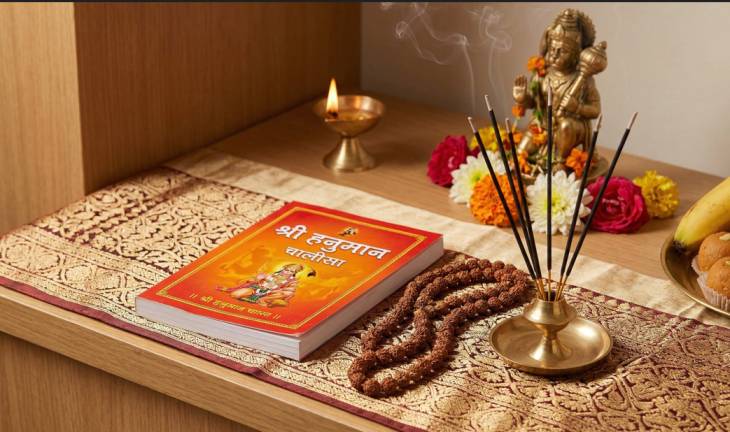
- Preparation: Wake up before sunrise (Brahma Muhurta). Clean your house and the puja area. Take a holy bath and wear clean, preferably yellow or red, clothes.
- Sankalp: Sit in front of an idol or picture of Lord Hanuman. Take a small amount of water in your right hand and make a “Sankalp” (vow) to observe the day with devotion.
- Offerings: Offer red flowers (especially Hibiscus), vermilion (Sindoor), and jasmine oil to the deity. It is said that Hanuman loves Sindoor because he once covered his whole body with it for Lord Rama’s long life.
- Prasad: Prepare or buy “Boondi Ladoo,” “Besan Ladoo,” or “Paan” (betel leaf) to offer as Prasad.
- Chanting: This is the most important part. Chant the Hanuman Chalisa at least 11 times. You can also listen to or recite the “Bajrang Baan” or “Hanuman Ashtak.”
- Aarti: Conclude the puja with a traditional Hanuman Aarti and distribute the Prasad among family members.
Important Rituals and Traditions of Hanuman Jayanti
Several unique traditions make Hanuman Jayanti a vibrant festival:
- Applying Sindoor: Devotees apply a small amount of Hanuman’s Sindoor on their foreheads as a mark of protection and blessing.
- Akhand Path: Many communities organize a 24-hour continuous reading of the Ramcharitmanas or the Sundarkand.
- Wrestling and Sports: Since Hanuman is the patron deity of wrestlers (Pahalwans), many “Akhadas” (traditional gyms) organize special wrestling matches and physical displays on this day.
- Charity (Daan): Feeding the poor and providing water to travelers is considered highly meritorious on Hanuman Jayanti.
Hanuman Jayanti Vrat (Fast) Rules for 2026
Many devotees observe a fast on Hanuman Jayanti to purify their bodies and minds. If you plan to keep a “Vrat,” here are the general rules:
- Total Fast (Nirjala): Some devotees do not consume even water from sunrise to sunset.
- Partial Fast (Phalahar): You can consume fruits, milk, and water. Avoid grains, salt, and non-vegetarian food.
- Breaking the Fast: The fast is usually broken after the evening aarti by consuming the offered Prasad.
- Celibacy: Maintaining “Brahmacharya” (celibacy) is considered essential while observing the Hanuman Jayanti Vrat.
Powerful Mantras to Chant on Hanuman Jayanti
Chanting mantras is a way to align your energy with the divine. On Hanuman Jayanti, these mantras are particularly powerful:
- Mool Mantra: “Om Hanumate Namah” (For general protection and success).
- Success Mantra: “Ashta Siddhi Nav Nidhi Ke Daata, Asabar Deen Janki Maata” (From Hanuman Chalisa, for prosperity and wisdom).
- Protection Mantra: “Om Namo Hanumate Rudravataraya Sarva Shatru Sanharanaya Sarva Rog Haraya Sarva Vashikaranaya Ramadutaya Swaha” (For protection from enemies and diseases).
Hanuman Jayanti Wishes, Quotes, and Status for 2026
Sharing the joy of the festival with others is a great way to spread positivity. Here are some high-traffic Hanuman Jayanti wishes and quotes for you:
Top Hanuman Jayanti 2026 Wishes
- “May the strength of Bajrangbali be with you in every challenge of your life. Happy Hanuman Jayanti 2026!”
- “Wishing you and your family a blessed Hanuman Jayanti. May Lord Hanuman fill your life with courage and devotion.”
- “On this auspicious day of Hanuman Janmotsav, let us pray for the well-being of all. Jai Shri Ram!”
Inspiring Quotes for Hanuman Jayanti
- “Lord Hanuman is not just a god of strength; he is the god of overcoming the ego.”
- “True devotion is when you find the Lord within your own heart, just as Hanuman found Rama.”
Short Status for WhatsApp and Instagram
- “Jai Bajrangbali! 🙏 #HanumanJayanti2026 #JaiShriRam”
- “Sankat Kate Mite Sab Peera, Jo Sumire Hanumat Balbeera. Happy Hanuman Jayanti!”
- “Power, Devotion, Wisdom. Celebrating the birth of Mahavira. 🚩”
Hanuman Jayanti vs. Hanuman Janmotsav: What’s the Difference?
In recent years, there has been a discussion about whether to call it Hanuman Jayanti or Hanuman Janmotsav.
- Jayanti: Typically used for people who have passed away but whose legacy lives on.
- Janmotsav: Used for “Chiranjeevis” (immortals). Since Lord Hanuman is believed to be still alive on Earth (one of the eight immortals), many scholars suggest that “Hanuman Janmotsav” is the more accurate term.
Regardless of the name, the spirit of the celebration remains the same—honoring the eternal presence of the divine servant of Lord Rama.
Regional Celebrations Across India
Hanuman Jayanti is celebrated with local flavors in different parts of India:
- In North India: Especially in Ayodhya and Varanasi, massive processions (Shobha Yatras) are taken out. Temples like Hanumangarhi see thousands of devotees.
- In South India: In states like Andhra Pradesh and Telangana, the festival is often celebrated for 41 days, starting from Chaitra Purnima and ending on the tenth day of the Krishna Paksha in the month of Vaisakha. This is known as Hanuman Jayanthi in Telugu.
- In Karnataka: It is celebrated as “Hanuma Jayanthi” during the Margashirsha month.
- In Tamil Nadu: It is observed during the Margazhi month (December-January) on the Amavasya of the Moola Nakshatra.
Frequently Asked Questions (FAQs) about Hanuman Jayanti
Q1. Why is Hanuman Jayanti celebrated?
It is celebrated to mark the birth anniversary of Lord Hanuman, the 11th Rudra avatar of Lord Shiva, who played a pivotal role in the Ramayana.
Q2. Can women perform Hanuman Jayanti Puja?
Yes, absolutely. Women can worship Lord Hanuman, chant the Hanuman Chalisa, and participate in all festivities. Some traditions suggest women should not touch the idol, but devotion knows no such barriers.
Q3. What should we not do on Hanuman Jayanti?
Avoid consuming non-vegetarian food, alcohol, and using foul language. It is a day of purity and discipline.
Q4. Which color is auspicious for Hanuman Jayanti?
Red and yellow are considered very auspicious as they represent energy and purity.
Conclusion: Embracing the Spirit of Bajrangbali
As we celebrate Hanuman Jayanti 2026, let us not just limit ourselves to rituals. Let us strive to imbibe the qualities of Hanuman—his unwavering focus, his physical discipline, and his immense humility. In a world full of distractions, the life of Hanuman serves as a beacon of light, guiding us toward a path of righteousness and strength.
May the blessings of Lord Hanuman bring peace, health, and prosperity to your life. For more spiritual guides and information on Hindu festivals, feel free to explore our articles on Lord Rama.
Jai Shri Ram! Happy Hanuman Jayanti 2026!